
Mastering Digital Product Management for Executives: A Pragmatic Disruptor’s Guide

Updated: Nov 26, 2025
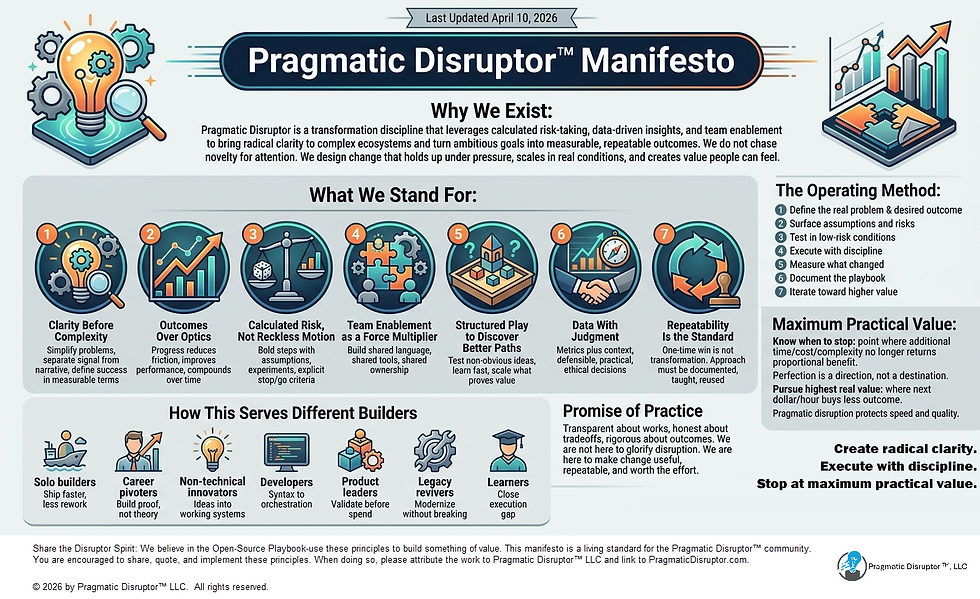
Success now depends on human-centered leadership that blends strategy with empathy, innovation, and collaboration. This is the essence of being a Pragmatic Disruptor: balancing bold innovation with grounded execution. This guide provides the strategic principles needed to excel in a digital product management environment, all rooted in my leadership philosophy: Customer First – Team Always.

Understanding Digital Product Management
Digital product management involves overseeing the development and lifecycle of digital products, from conception to launch and beyond. It requires a blend of strategic thinking, technical knowledge, and user-centered design principles. Here are some core components of digital product management:
Vision and Strategy: Establishing a clear vision for the product and aligning it with business goals.
User Research: Understanding user needs and behaviors through qualitative and quantitative research.
Agile Development: Implementing agile methodologies to facilitate rapid iteration and responsiveness to change.
Cross-Functional Collaboration: Working closely with teams across the organization, including engineering, marketing, and sales.
The Role of Executives in Product Management
Executives play a crucial role in shaping the direction of product management within their organizations. Their responsibilities include:
Setting the Vision: Executives must articulate a compelling vision for the product that inspires teams and stakeholders.
Resource Allocation: Ensuring that teams have the necessary resources, including budget and personnel, to execute their plans.
Stakeholder Engagement: Building relationships with key stakeholders to gather feedback and support for product initiatives.
Performance Monitoring: Establishing metrics to evaluate product performance and making data-driven decisions.
The Role of Directors in Product Management
Directors are the backbone of any product team as they engage with al cross-functional leaders. Not only is your product director your successor, but they are also your front-line voice with stakeholders and customers. Make sure you establish your department mission and objectives so they can drive the plan. I use my S.M.I.L.E. paradigm:
Strengthen Product Strategy
Maximize Customer-First
Inspire Teams
Lead Continuous Value
Empower "Team Always"
Key Strategies for Effective Digital Product Management
1. Strengthen Product Strategy by Embracing a User-Centric Approach
A user-centric approach is vital for creating products that resonate with customers, and any strategy that doesn't start with the customer is likely doomed to fail. Product leaders should encourage teams to prioritize user research and feedback throughout the product development process. This can be achieved through:
User Interviews: Conducting interviews to gather insights into user needs and pain points.
Usability Testing: Testing prototypes with real users to identify areas for improvement.
Surveys and Analytics: Utilizing surveys and analytics tools to gather quantitative data on user behavior.
2. Maximize Customer First (Compassion & Empathy) by Fostering a Culture of Collaboration
A user-centric approach is vital for creating products that resonate with customers. Start with Compassion—the foundation of trust.
Prioritize Empathy: Executives must encourage teams to focus on the customer's root problem before proposing solutions.
Practice Active Listening: Use feedback loops—voice of customer and voice of employee—to guide decisions.
Measure Impact: Success isn't just about a product launch; it's about delivering meaningful experiences and measuring success by the impact we have on our users and the outcomes we drive for the business
3. Inspire Teams & Implement Agile Methodologies
Inspiration comes in many forms, and I've found that when my teams embrace Agile methodologies, we can respond quickly to changes and deliver value incrementally. Product leaders should support the adoption of agile practices by:
Training and Workshops: Providing training sessions on agile principles and practices for all team members.
Embrace Agile: The best products are built iteratively. My focus is on driving measurable impact by prioritizing initiatives that deliver value early and often.
Iterative Development: Encouraging teams to break projects into smaller, manageable tasks that can be completed in short cycles.
Regular Retrospectives: Holding retrospectives to reflect on what worked well and what can be improved in future iterations.
Reduce Barriers: Provide digital tools and training for hybrid and remote work. Organizations that prioritize enablement during transformation are 2.5x more likely to achieve their goals (McKinsey)
4. Lead Continuous Value Iteratively by Enabling Data-driven decision making
Executives should advocate for the use of data analytics to inform product strategies. This can include:
Key Performance Indicators (KPIs): Establishing KPIs to measure product success and track progress over time.
A/B Testing: Conducting A/B tests to evaluate different product features and determine which performs better.
User Feedback Loops: Creating feedback loops that allow teams to gather and analyze user feedback continuously.
Change thrives when people have the tools and clarity to succeed. Enablement means equipping teams with resources, technology, and knowledge to adapt quickly.
5. Empower Teams for Ownership by Creating a Culture of Collaboration & Trust
Collaboration across departments is essential for successful product management. Executives should promote a culture that encourages open communication and teamwork. Strategies to enhance collaboration include:
Delegate Authority: Encourage decisions at the point of impact. The goal is to encourage decision-making based on the organization's stated vision, mission, and objectives.
Build Confidence: Provide resources and coaching to build team confidence. Empowered teams see change as an opportunity—not a threat.
Regular Cross-Functional Meetings: Scheduling regular meetings between product, engineering, marketing, and sales teams to align on goals and share updates.
Shared Tools and Platforms: Implementing collaborative tools that allow teams to work together seamlessly, such as project management software and communication platforms.
Team Building Activities: Organizing team-building activities to strengthen relationships and improve collaboration.
Drive Clarity with Data (Pragmatism)
Data-driven decision making is the core of the Pragmatic Disruptor approach. We are vigilant against the 'build traps'—the tendency to jump into building solutions before fully understanding the problem.
Love the Problem: I try to help my teams "Love the problem, not the solution," as spoken by Ash Maurya.
Focus on the Right Things: To navigate the onslaught of issues and concerns, leverage the Urgent & Important Quadrant (Eisenhower Matrix). This helps ensure your focus is aligned to your audience and minimizes being overwhelmed.

Tools for Digital Product Management
To effectively manage digital products, executives should be familiar with various tools that can streamline processes and enhance collaboration. Some popular tools include:
Product Management Software: Aha!, Monday, Productboard, TheyDo, Miro, Figma, and Confluence are highly valuable when scaling your team's processes.
Project Management Software: Tools like Smartsheet, Trello, Jira, and DevOps,help teams organize tasks, track progress, and manage workflows.
User Research Tools: Platforms like SurveyMonkey and JotForm facilitate user research and feedback collection.
Analytics Tools: Google Analytics and LogRocket provide insights into user behavior and product performance.
Challenges in Digital Product Management
While mastering digital product management is essential, executives may face several challenges, including:
Rapid Technological Changes: Keeping up with the fast pace of technological advancements can be daunting.
Resource Constraints: Limited budgets and personnel can hinder product development efforts.
Balancing Innovation and Stability: Striking the right balance between introducing new features and maintaining a stable product can be challenging.
Overcoming Challenges with Grounded Leadership
To overcome these challenges, executives can adopt the following strategies:
Continuous Learning: Staying informed about industry trends and emerging technologies through workshops, conferences, and online courses.
Prioritization Frameworks - Prioritization...Prioritization...Prioritization: Need I say more? I leverage a Priority Value Score model that I created to remove the emotions from priority planning. My model uses a mini business case approach to balance customer value + company value. You can always use the MoSCoW method for first-pass cuts or to focus on the critical features and initiatives. I have a modified version that adds Nice-to-Haves as well.
Building Resilient Teams: Fostering a culture of resilience within teams to adapt to changes and challenges effectively.
Manage Energy: Recognize that psychological safety starts with respecting how people work best. Use frameworks like Myers-Briggs® and Energy Dynamics to tailor communication and feedback based on how people recharge.
Align to Talent: Use Clifton Strengths® to align work to natural talents so teams can maximize performance improvements.
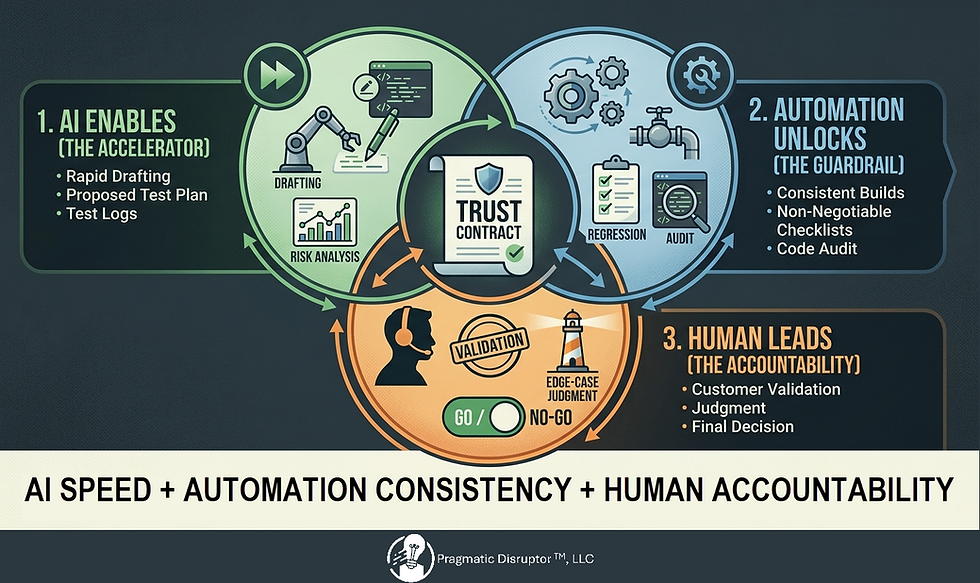
Govern AI: The integration of AI can enhance decision-making, but it requires governance, curation, and a healthy dose of skepticism. Remember, 'garbage in, garbage out' is very easy with AI.
The Future of Digital Product Management
As technology continues to evolve, the landscape of digital product management will also change. Executives must stay ahead of trends and be prepared to adapt their strategies accordingly. Key trends to watch include:
Artificial Intelligence: The integration of AI into product management processes can enhance decision-making and improve user experiences.
Remote Collaboration: As remote work becomes more prevalent, tools and practices that facilitate remote collaboration will be essential.
Sustainability: Increasing consumer demand for sustainable products will require executives to consider environmental impacts in their product strategies.
Summing it Up
Mastering digital product management is crucial for executives and their teams who look to drive innovation and achieve business success. By embracing a user-centric approach, fostering collaboration, implementing agile methodologies, and leveraging data-driven decision making, executives can navigate the complexities of digital product management effectively. As the landscape continues to evolve, staying informed and adaptable will be key to thriving in this dynamic environment.
Take the next step in your digital product management journey by exploring new tools, engaging with your teams, and continuously seeking feedback from your users. The future of your products depends on it.

Comments